
1
/
of
1
Java Fern
Java Fern
Regular price
$14.00 NZD
Regular price
Sale price
$14.00 NZD
Unit price
/
per
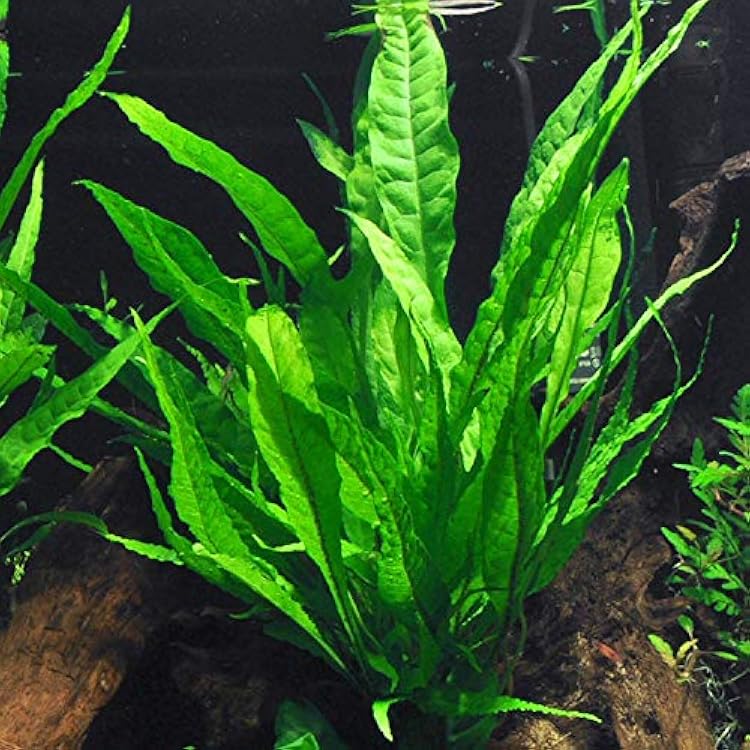
Java Fern (Microsorum pteropus) is a highly popular, slow-growing freshwater aquarium plant native to Southeast Asia. Renowned for its extreme hardiness and beginner-friendly care, it features leathery, thick green leaves that are naturally unpalatable to most herbivorous fish and snails.
As an epiphyte, Java Fern naturally anchors itself to hard surfaces like wood or rocks rather than rooting into the soil.
🌱 Key Planting Rule: Do Not Bury the Rhizome
The most crucial rule for Java Fern care is to never bury its horizontal green rhizome (the thick base where leaves grow) in the substrate. If buried, the rhizome will rot, causing the plant to die. Instead, you can attach it to hardscape elements using a few popular methods:
- Superglue: Apply a tiny drop of gel-based superglue (like Gorilla Glue Gel) directly to the rhizome or roots and hold it against a wet piece of driftwood or rock for a few seconds.
- Tying: Secure it to a surface using sewing thread or fishing line. The line can be cut away once the plant's roots naturally grip the surface.
- Wedging: Gently push the roots or rhizome into narrow cracks or crevices in rocks or wood.
💧 Ideal Water & Growth Parameters
Java Fern is highly adaptable and tolerates a wide spectrum of tank environments:
- Lighting: Low to moderate light. Intense lighting can scorch or melt the leaves.
- Temperature: 15°C to 28°C (60°F–83°F).
- pH Range: 5.5 to 8.0.
- Nutrients: It absorbs all its nutrients directly from the water column through its leaves and exposed roots. Regular dosing with a liquid fertilizer (like potassium) keeps it vibrant. CO2 is entirely optional but will speed up its slow growth.
🍂 Leaf Browning and Propagation
It is perfectly normal to see brown bumps or tiny plantlets forming on the undersides or tips of older leaves. This is how the plant reproduces. Once these baby plantlets develop a small rhizome and a few roots, they can be gently plucked off and attached elsewhere to start a new plant. Additionally, when introduced to a new tank, old leaves may experience temporary browning or pinholes as the plant transitions and sheds its old growth.
Share